Rust Solo Survival Against Zergs and Revenge Raids
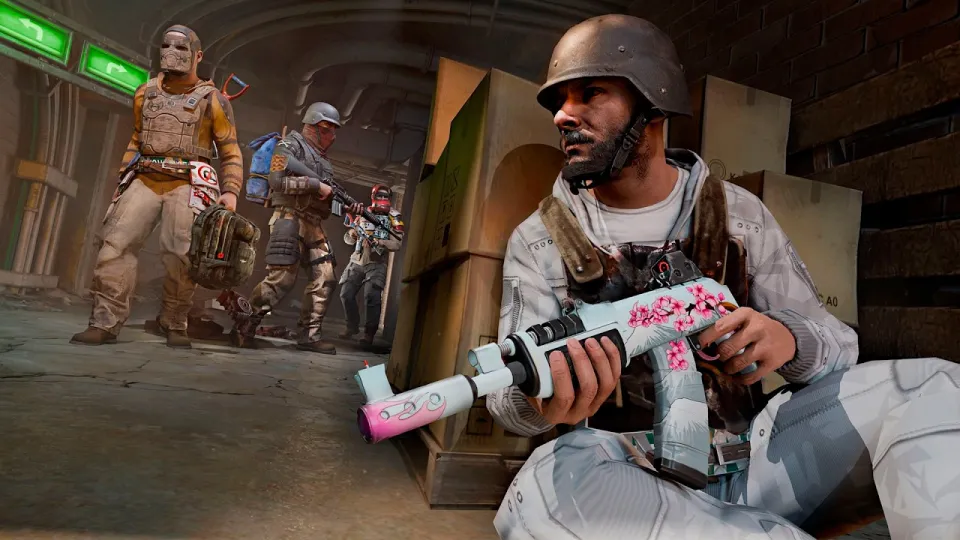
Video: THE SOLO MENACE – Rust
Need articles like this for your video? They help promote it on YouTube and Google — order them in the Telegram bot @sat_sit_bot. It writes articles around your video, embeds the video and publishes them on popular niche websites (no ads). Try it free: 50 articles on us.
· based on the channel SPiiCY
Key takeaways
- Solo Rust play means fighting groups (zergs) alone, so base design and wipe-day planning matter more than raw aim.
- SPiiCY's solo video covers progression, PvP roams, raid defence and a revenge raid after being wiped.
- Base design tutorials and more are available through SPiiCY's Patreon membership.
- A RustEasy bonus is offered via https://rseasy.com/spiicy for viewers of the video.
- Hypertune is promoted as an FPS booster for Rust, linked as https://hptn.gg/spiicy.
Rust solo is a survival format where one player competes on a full-population server against clans of five, ten or more, so success depends on compact base design, smart wipe-day progression and picking fights you can actually win. Instead of matching a zerg in numbers, a solo player wins by hiding loot well, farming efficiently and striking at the right moment — including revenge raids after being wiped. SPiiCY's solo run shows exactly that loop, and viewers can grab the RustEasy bonus through SPiiCY's link before diving in.
What makes solo Rust different from group play
Solo Rust is not group play with fewer people; it is a different economy of time and risk. A clan can split farming, building and scouting, while a solo player does every job alone, so each hour on the server has to be spent on the task with the highest return.
- Progression speed: a solo player typically reaches a workbench level 2 and basic guns far later than a group, which makes early-game decisions like where to build and what to craft decisive.
- Base footprint: small, cheap and layered bases beat large ones, because a big base signals loot and invites offline raids.
- Fight selection: roaming solo means avoiding open-field fights against multiple players and instead third-partying fights, gate-camping or catching farmers away from their group.
- Recovery: losing a base is not the end; a stash of spare kits and a second small base let a solo player rebuild and hit back.
Base design principles for a solo player
A solo base in Rust should be cheap to rebuild, expensive to raid and boring to look at from the outside. The goal is to make a raider spend more sulfur than the loot is worth.
- Keep the core small. A tight loot room surrounded by several honeycomb layers forces raiders through multiple doors or walls before reaching anything valuable.
- Separate loot from living space. A small decoy base or a sealed loot bunker means a successful raid does not end your wipe.
- Use doors as the main cost. Upgrading doors and placing them so raiders must break several of them is usually cheaper than thick stone or metal walls for the same protection.
- Build away from monuments and zerg territory. High-traffic areas bring attention; quiet corners of the map let a solo player farm and craft in peace.
- Plan for a rebuild. Keep a stash of tools, a workbench and basic gear in a second location so a raid costs you time, not the whole wipe.
SPiiCY's base designs are the backbone of the channel's content, and full build tutorials are available to supporters through the Patreon membership, which also covers the older join page at https://www.patreon.com/join/spiicyrust.
Revenge raids and raid defence as a solo player
A revenge raid is the solo player's answer to being wiped: instead of quitting, you identify who raided you, farm sulfur and hit their base when they are offline or distracted. It is the most satisfying part of solo Rust, and it is also where preparation pays off.
- Track your attackers. Note the names, group size and base location of the players who raided you; kill logs, dropped loot and the direction of the attack all give clues.
- Farm with a purpose. A revenge raid needs explosives, so set a sulfur target and farm it in short, safe sessions rather than one long exposed run.
- Scout before you blow. Watch the target base for activity, count doors and check for turrets or traps before committing resources.
- Defend your own raid. When you are online and someone starts blowing in, use the base layout against them: narrow angles, traps and a sealed loot room buy time to counter-raid.
Raid defence and revenge raids are the two sides of the same skill set, and both reward patience over aggression.
FPS, recoil and settings that matter in solo fights
In solo PvP every frame and every spray matters, because there is no teammate to finish a fight you lose. Frame rate stability affects recoil control and tracking more than most players realise, especially in dense fights around monuments.
Tools such as Hypertune, linked as https://hptn.gg/spiicy, are marketed as FPS boosters for Rust, and viewers of the video report noticeable frame gains after using it. Beyond raw FPS, a solo player should keep settings consistent: a stable sensitivity, a familiar crosshair and a mouse setup that allows repeatable spray patterns. Recoil changes in Rust updates have repeatedly reshaped the meta, so practising the current pattern on a training server before roaming is worth more than any single gear advantage.
Common questions from solo players
Solo players watching the run tend to ask the same things, and the answers are practical rather than mysterious.
- Which servers do content creators play on? High-population official or community servers, where roaming players are common; on quieter servers the same tactics produce far fewer fights.
- How do you survive as a solo against a zerg? By not fighting the zerg head-on: use cover, split their attention, attack farmers and avoid open ground where numbers decide the outcome.
- Is a trap base worth it solo? Yes, as a supplement to a real base; trap bases generate free loot and punish raiders, but they should never hold your main stash.
- How do you recover after a raid? With a pre-built backup: spare tools, a small second base and a plan for who to hit back.
All links from the video
- RustEasy bonus: https://rseasy.com/spiicy
- Base design tutorials and membership: https://www.patreon.com/c/spiicyrust/membership
- Hypertune FPS booster: https://hptn.gg/spiicy
- Patreon join page: https://www.patreon.com/join/spiicyrust
- Discord community: http://discord.gg/HZjW3RYMGA
Final thoughts on the solo menace playstyle
Solo Rust rewards discipline over raw mechanical skill: a small layered base, a sulfur plan and the patience to pick fights keep a lone player alive on a crowded server. Revenge raids turn a bad wipe into a story, and raid defence turns a base into a weapon. SPiiCY's breakdown of the solo menace run captures that full loop, from wipe-day progression to the counter-raid. Start with the RustEasy bonus via SPiiCY and build your own solo plan before the next wipe.
Source: THE SOLO MENACE – Rust · Markdown version
Questions & answers
How does a solo player survive against a zerg in Rust?
By refusing fair fights. A solo player should farm in quiet areas, avoid open ground where numbers decide the outcome, and attack zerg members when they are split up, farming or distracted. A small layered base and a backup stash make losing a fight survivable rather than wipe-ending.
What is a revenge raid in Rust and why does it matter for solos?
A revenge raid is hitting back at the group that raided you, usually after farming sulfur and scouting their base. For solo players it is a way to convert a loss into loot and to discourage repeat raids, and it is one of the most reliable sources of high-value loot without a clan.
Do FPS boosters like Hypertune actually help in Rust PvP?
Higher and more stable frame rates improve tracking and recoil control, particularly in busy fights near monuments. Hypertune is promoted as an FPS booster for Rust via https://hptn.gg/spiicy, and viewers of the video report significant frame gains, though results depend on hardware.
Where can I find the base designs used in the video?
SPiiCY publishes base design tutorials and additional builds through the Patreon membership at https://www.patreon.com/c/spiicyrust/membership. The Discord at http://discord.gg/HZjW3RYMGA is the place to ask follow-up questions about specific builds.